Don't miss our Diwali Offer - up to 50% OFF!

Choose a Sewing Machine for Home Use

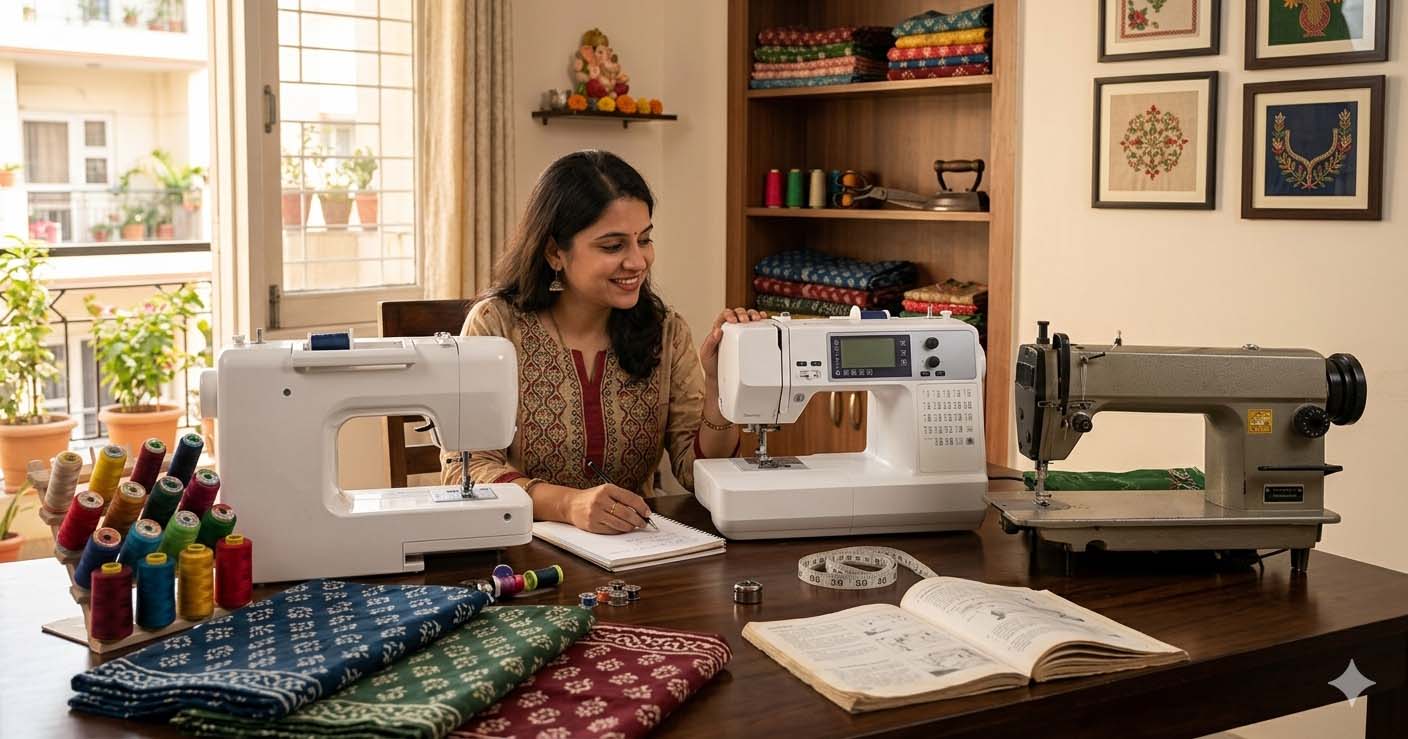
A good sewing machine doesn’t need a hundred stitches or a complicated control panel. It needs to suit the projects you actually want to make, feel comfortable to use, and keep working reliably as your skills grow. Whether you’re planning to hem jeans, mend a favorite shirt, or sew your first quilt, a little homework can make choosing one much easier.
Start with the projects you have in mind
Think about what you’ll sew most often. For basic repairs, clothing alterations, and simple home projects, a reliable mechanical machine with essential stitches may be all you need. If you’re interested in garment making or quilting, look for features that make longer or more detailed projects easier, such as adjustable stitch length, a wider sewing area, and a range of presser feet.
If you’re not sure yet, that’s fine. Choose a machine that handles everyday tasks well rather than paying extra for features you may never use.
Choose features that make sewing easier
Most home sewers can do a lot with a straight stitch and zigzag stitch. These cover many common jobs, from seams to simple edge finishing. Other useful features to look for include:
- A one-step buttonhole for making consistent buttonholes with less fuss.
- Adjustable stitch length and width so you can tailor stitches to different fabrics and projects.
- A free arm for sewing around cuffs, sleeves, and other narrow pieces.
- A needle threader and easy-to-load bobbin to simplify setup.
- Speed control if you’d like more control while learning or sewing delicate sections.
- A reverse-stitch function to secure seams at the beginning and end.
Extra decorative stitches can be fun, but prioritize features you’ll use regularly.
Match the machine to your fabrics
Consider the materials you plan to sew. Lightweight cotton and similar fabrics are manageable on many basic machines. Denim, canvas, and multiple layers may need a sturdier machine and the right needle, thread, and presser foot. Knits can also be easier to sew with stretch-friendly stitches and suitable needles.
No household machine handles every fabric or thickness effortlessly. If you often work with heavier materials, check the manufacturer’s guidance and, if possible, test the machine on a fabric similar to yours.
Mechanical or computerized?
Mechanical machines use dials or knobs to select settings. They’re often straightforward to learn and may suit sewers who prefer simple controls.
Computerized machines typically offer buttons or screens, with features such as programmed stitch options, speed adjustment, or automatic needle positioning. These conveniences can be helpful, but they aren’t essential for everyone.
Neither type is automatically the better choice. Focus on which controls feel clear and comfortable to you.
Try before you buy
If you can, sit down and test a machine before purchasing. Notice whether the controls make sense, threading feels manageable, and the machine runs smoothly. Try a few stitches on scrap fabric, and ask what accessories are included. A machine that looks impressive in a product listing may not feel right at your sewing table.
Also check the warranty, service options, and availability of replacement parts. A nearby repair shop or helpful support can be valuable if the machine needs attention later.
Set a budget that includes the essentials
Compare machines within a budget that leaves room for basics such as needles, thread, fabric scissors, and extra bobbins. The lowest-priced option may not be the best value if it lacks features you need or is difficult to maintain. At the same time, a higher price doesn’t guarantee a better fit for your projects.
Before deciding, compare what’s included and read recent reviews for patterns in the feedback—especially comments about ease of use, reliability, and customer support.
The best machine is the one you’ll use
Choosing a sewing machine is less about finding the fanciest model and more about finding one that fits your projects, space, budget, and comfort level. Make a short list of what you’ll sew, identify the features that matter, and try a few options if you can.
Then enjoy the fun part: picking a fabric and making something of your own. Your first project doesn’t have to be perfect. It just has to get you started.
